The Courage to Change: Transforming a system for better outcomes
Op-ed by Godfrey Jerry, Chief Operating Officer
Thirty-eight visits. For a sprained wrist.
That number stopped me cold when I first saw it.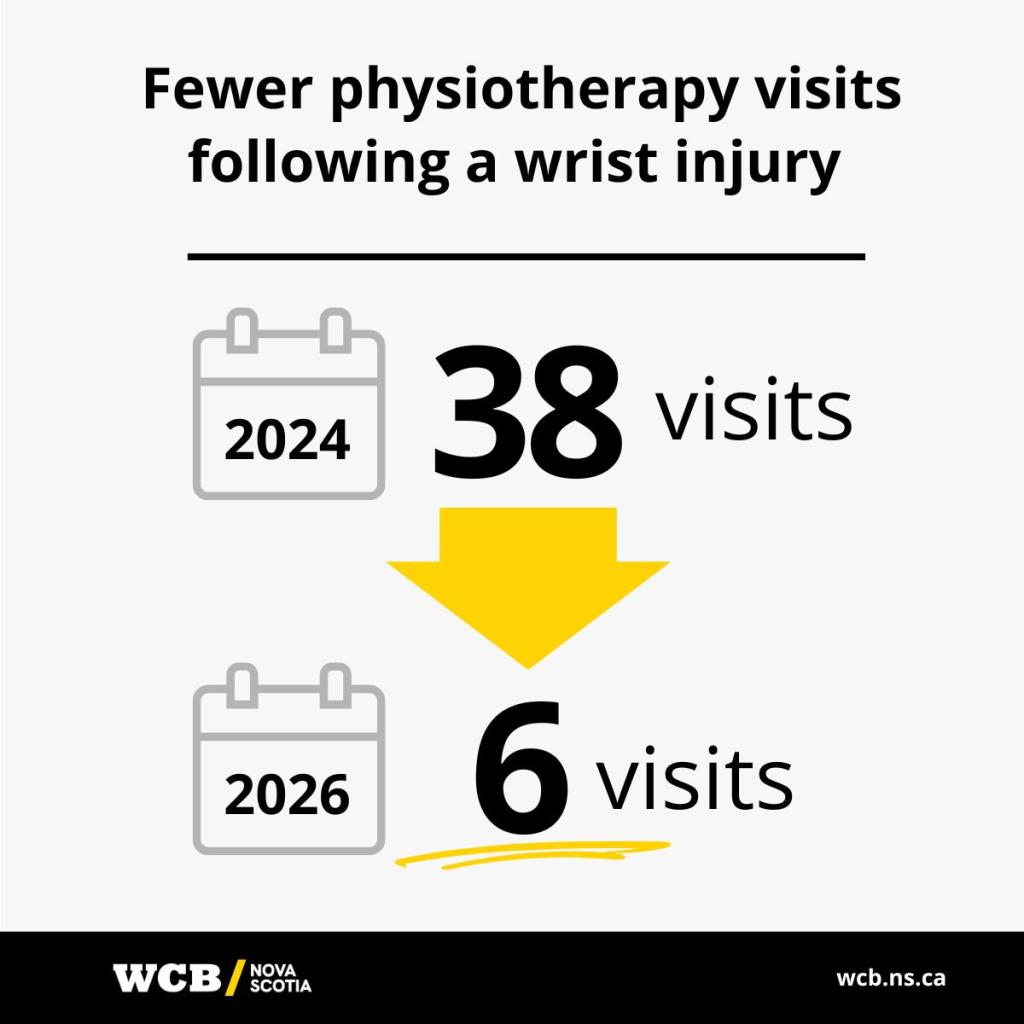
At WCB Nova Scotia, we were sending people back to physiotherapy 38 times for injuries that clinical evidence says should need six or fewer treatments. It was a shocking number that signaled something much bigger.
I came to the WCB after a long career in private insurance, and what I found was a system that had quietly drifted from its purpose. We were simply not showing up in the right ways for the employers we cover, or for the roughly 5,000 Nova Scotians who spend time away from work because of a workplace injury each year.
Costs kept climbing, and return-to-work outcomes kept slipping.
Nova Scotia has made tremendous progress in preventing workplace injuries. Fewer people than ever are getting hurt at work, thanks to the efforts of many. But once injured, too many people stayed off work for too long.
And the system built to support them was fragmented. Hundreds of talented health care providers, including physiotherapists, chiropractors, and psychologists, were operating separately, without shared standards or expectations for return to work.
Research consistently shows that, when it's safe to do so, staying connected to work supports recovery.
When someone is injured and disconnected from work, the effects go far beyond a sore wrist. Isolation sets in, mental health suffers, and financial stress compounds physical pain.
The status quo, a system largely unchanged for decades, wasn't serving workers, employers, or our province.
In the last year, though, change is happening. The value of staying connected to work during recovery is increasingly understood.
This week, for example, marks one year since the Workers' Compensation Act was amended to introduce Duty to Cooperate legislation requiring employers, workers, and our team to collaborate in supporting a safe and timely return to work. We’re grateful for the province’s leadership in improving our workers’ compensation system and helping more Nova Scotians return safely to work.
It's a strong legislative foundation for the operational changes in our health services model. In January, we implemented a unified network of health services providers, open to any qualified clinic, connecting employers, caseworkers, providers, and workers through shared standards and technology.
And it’s built around the idea that recovery and return to work should happen together.
Mark McFarland, a physiotherapist since 1993 and independent owner of KEY Physiotherapy and Rehabilitation Centre in Halifax, approached the change with trepidation.
But, six months in, he's confirmed not only does he still operate independently - he's seeing better outcomes, and so are we.
For the more than 10,000 workers referred into the new program, wait times for treatment have been cut in half.
More than eight in ten workers are returning to work within 90 days.
And we've reduced health care costs significantly, reinvesting those dollars in the compensation system for years to come.
Most importantly, we're seeing Nova Scotians back on their feet sooner. Employers with a stronger workforce. A province that's more productive.
After all, Nova Scotia has never been a province that waits for someone else to lead.
When COVID-19 hit in 2020, this province pulled together in ways that surprised the country. When Hurricane Fiona tore through our communities, Nova Scotians showed up for each other.
We are, as people here know, small but mighty — a province that consistently punches above its weight.
That spirit is what makes me proud of what we've done here. Transforming a century-old system took that same Nova Scotia courage. From our Board of Directors, who set us on this strategic path. And from our teams, health care providers, employers, and partners — who have all embraced a new approach to recovery.
And this is just one part of our larger story. We've rebuilt how we communicate with workers and their families, how we partner with employers, and how we hold ourselves accountable to deliver results for Nova Scotians.
Last year's legislative changes, together with our Work-Connected Recovery model, are helping turn that shared responsibility into action, giving workers, employers, health care providers, and our teams at WCB the tools to work together from day one.
Navigating change isn't easy, and we don't have it all figured out yet. We are listening and improving every day. Because we all want the same thing: Nova Scotians working.