Fisheries industry in Nova Scotia
As traps go down and another lobster season is in full swing, Dumping Day is a reminder that preparation and leadership save lives. Every safe decision helps ensure everyone makes it home. Keep safety top of mind—every trip, every crew member, every day. Spread safe fishing messages around your workplace with downloadable posters, social graphics, video backgrounds, or by ordering decals.
Fishing is a vital part of our community, and work on the water comes with a different level of risk than in many sectors. Remaining vigilant about safety is a priority. When we make safety a priority for crews, we're also looking out for the kids, spouses, and family members who love them. Learn more on this page about safety in fishing and fish processing.
Commit to these safety practices on the water
- Wear PFDs. Make a rule that all crew members must wear their personal floatation devices (PFDs).
- Know your gear. Make sure your crew knows where everything is located and how to operate all equipment and electronics on board.
- Practice drills. Make a routine of practicing safety drills to help reduce panic in an emergency.
- Make a checklist. Before you leave shore, use a checklist to make sure equipment and supplies are stored properly, in working condition, and easy to reach.
- Check weather. Make a habit of checking conditions before you leave. If the weather looks stormy, consider waiting to head out.
- Review these Fish Safe NS safety checklists with your crew.
On average, the fishing industry in Nova Scotia sees:
212 reported injury claims each year
55 time-loss injuries each year
(time-loss claims are where workers missed 3 or more days of work due to their injuries).
These statistics highlight the importance of improving safety practices and providing adequate training to reduce workplace injuries and ensure the well-being of all workers. Use the information you’ll find here to improve safety for you and your crew.
Preventable injuries
The most common injuries in fishing and fish processing are:
- Sprains, strains, and broken bones from slipping, tripping, and falling
- Drowning
- Cuts from knives and machinery
- Burns or irritation from chemicals
- Hearing loss (from prolonged noise exposure)
With training and careful practices, many of these injuries are preventable.
Provide the right training
Fish Safe NS — Courses, tips, and tools. Follow on Facebook.
Nova Scotia Fisheries Sector Council — Training and skill-building programs.
Department of Labour, Skills and Immigration — Find provincial safety programs and services.
On-board familiarization and training checklist
Getting Ready for Dumping Day, including emergency drill information, from Fish Safe NS
Fishing Safety Now: a plan by and for Nova Scotia’s Fishing Industry from the Safe at Sea Alliance.
Spread safe fishing messages around your workplace with downloadable posters, social graphics, video backgrounds, or by ordering decals.
Order decals:
Display this water-resistant decal prominently on your boat to keep your crew safe this fishing season.Display this weather-resistant decal somewhere captains and crews in your community will see it, to help them come home safe this fishing season.
- Download email and web banners:
Option 1
Option 2
- Use this background for video calls:
Option 1
Option 2
Option 3
Option 4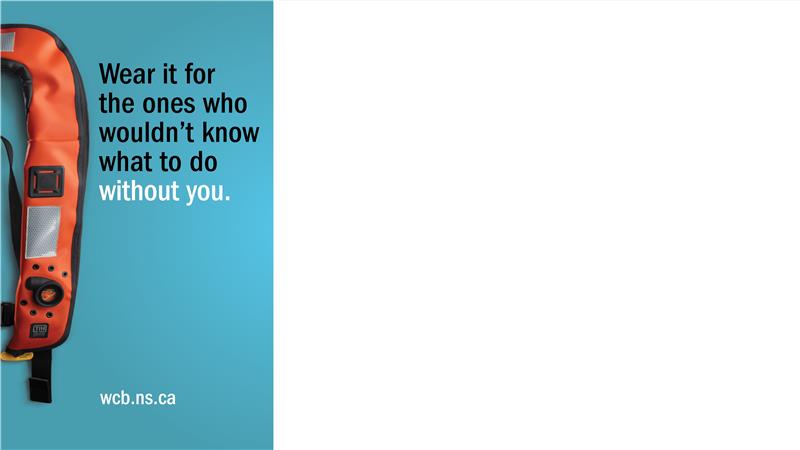
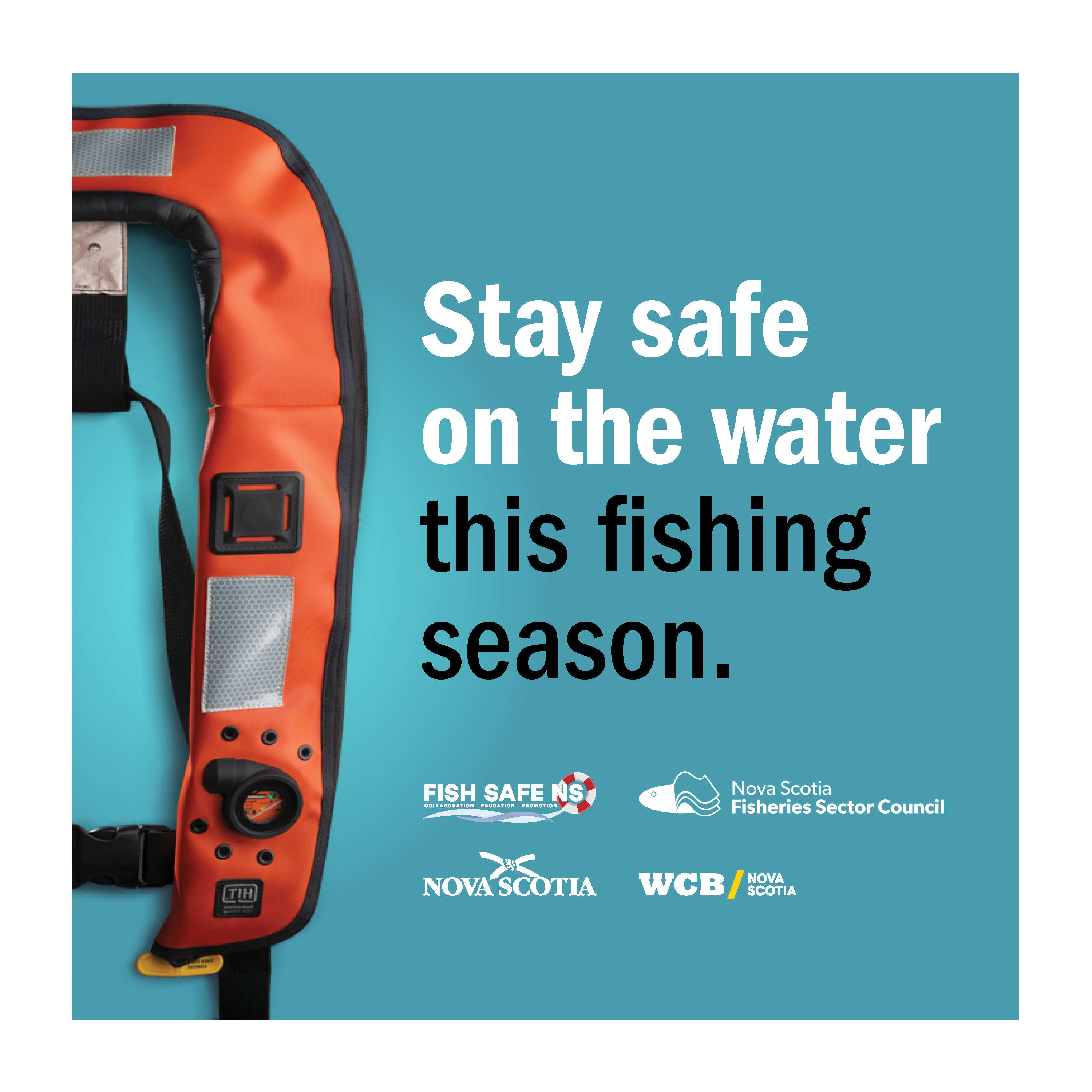
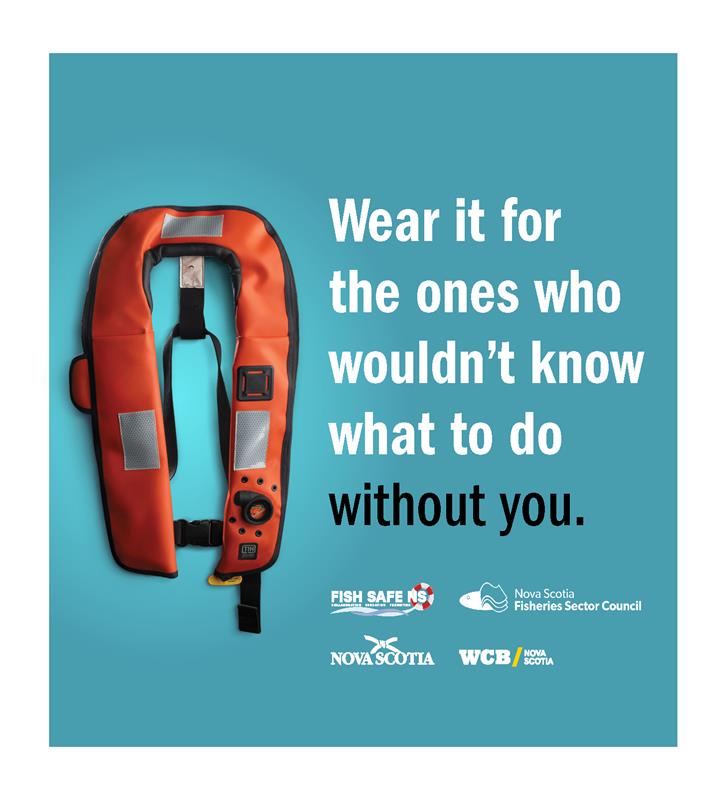
- Social media posts: Use these graphics to create your own post, or use these ideas:
- Wear a PFD for your kids, your partner and best friend who rely on you. Protecting your family means protecting yourself.
Wear your PFD for your sister, your granddad, and the kids you coach. Stay safe on the water so you can come home safely.
Option 1
Option 2
Captain Kasey DeMings - Gunning Cove, NS
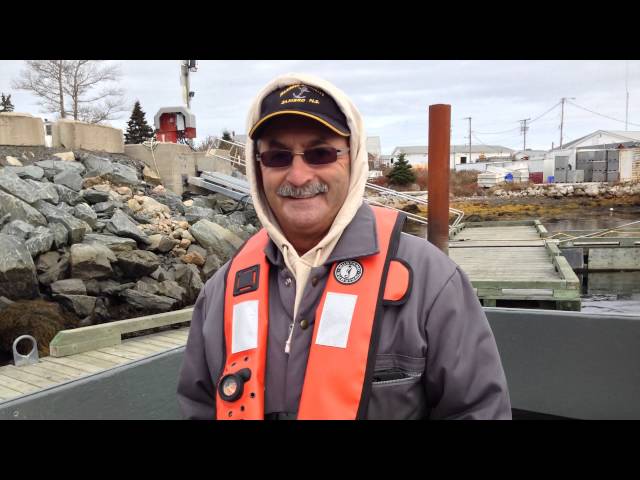
Capt. Kasey DeMings shares his reasons on why being safe while fishing is so important to him and his crew.
Captain Dave Theriault - Three Fathom Harbour, NS

Capt. Dave Theriault describes how safety has evolved over his career on the water, and how he ensures his entire crew stays safe while fishing.
Nova Scotia Safe at Sea Alliance - Fishing Safety Now
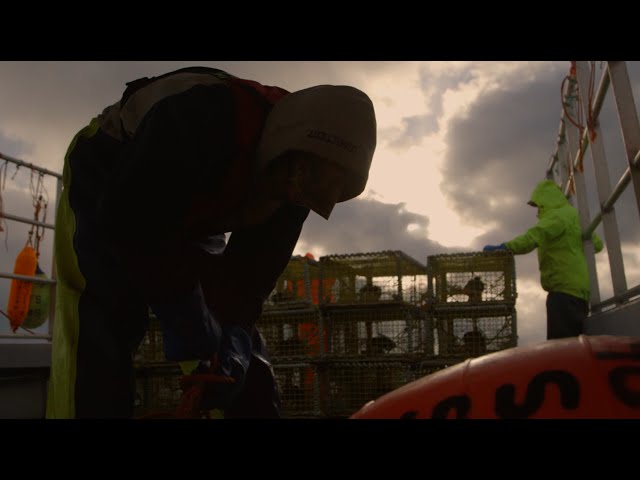
Fishing is woven into the fabric of Nova Scotia, but there's no denying it is a dangerous job. The impact of safety within the fishing industry extends beyond fishermen and their vessels to the family and community members who are touched by a loss.
Learning from the loss of others on how to make our lives safer
- Heather Crout's story: A painter uses her art help create a culture of safety in memory of her fisherman husband by Jon Tattrie
- Lewis D’Entremont’s story: The story of how a simple mechanical malfunction can change lives forever.
- Gerry Blackburn’s story: A reminder how the last few days on the sea can be just as dangerous as the first.
Have a return-to-work plan
Workers can recover faster at work. Find out how to keep your valuable workers connected to the job.